March 20, 2026
RFID technology has become a cornerstone of modern supply chain and logistics operations, delivering real-time visibility, automated traceability, and streamlined processes that drive cost savings and operational excellence. For businesses aiming to reduce inefficiencies, minimize errors, and gain better control over their supply chains, RFID offers a scalable, proven solution.
### How RFID Transforms Supply Chain Operations
RFID addresses key pain points across the supply chain lifecycle:
– **Inventory Management**: Automates manual counting, slashing labor costs and eliminating human error while providing live updates on stock levels—ensuring businesses maintain optimal inventory without overstocking or stockouts.
– **Asset Tracking**: Tags attached to equipment, containers, or high-value items enable real-time monitoring of location and status, reducing theft and improving asset utilization by ensuring resources are where they’re needed.
– **Process Optimization**: Streamlines workflows like order picking, packing, and shipping by replacing manual checks with automated data capture, cutting delays and boosting throughput.
– **Cold Chain Monitoring**: Tracks temperature-sensitive products (e.g., food, pharmaceuticals) throughout transit, ensuring compliance with safety standards and preserving product quality.
– **Warehouse Management**: Automates goods tracking within warehouses, providing visibility into inventory locations and reducing time spent searching for items.
### Key Components of an RFID System
A robust RFID setup relies on four core elements:
1. **RFID Tags**: Available in Low-Frequency (LF) for short-range uses (e.g., animal tracking), High-Frequency (HF) for access control/payments, and Ultra-High Frequency (UHF) for long-range inventory management. Businesses can find durable, application-specific [RFID tags](https://www.dorfidtag.com/) to match their supply chain needs.
2. **Readers**: Fixed readers monitor tagged items in strategic locations (e.g., warehouse doors), handheld readers enable on-the-go scanning, and mobile readers (installed in vehicles) track shipments in transit.
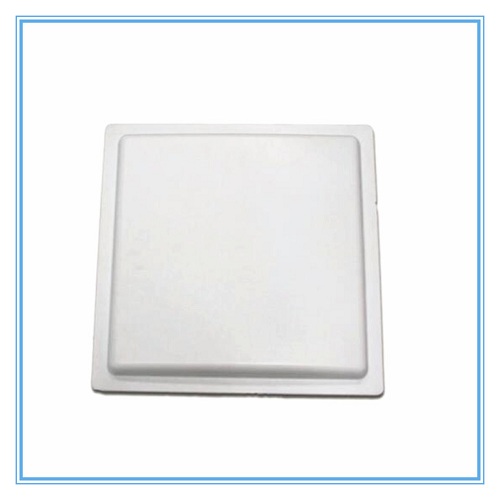
3. **Antennas**: Dipole antennas offer omnidirectional coverage for general use, patch antennas fit in space-constrained areas, and panel antennas provide high gain for long-range applications.
4. **Software**: Turns raw data into actionable insights—inventory management software optimizes stock levels, asset tracking software monitors asset health, and warehouse management software automates daily operations.
### The Benefits of RFID for Supply Chains
The value of RFID extends beyond automation:
– **Real-Time Visibility**: Live data on inventory, assets, and shipments empowers faster, more informed decision-making.
– **Cost Savings**: Reduces labor costs (no more manual counts) and minimizes errors (e.g., mispicks, stock discrepancies).
– **Improved Efficiency**: Streamlines workflows, cuts processing time, and increases throughput.
– **Compliance & Traceability**: Provides an unbroken record of a product’s journey, helping businesses meet regulatory requirements (e.g., food safety, recalls) and build customer trust.
In an era where supply chain agility is critical, RFID technology helps businesses stay competitive by turning complexity into control. Whether you’re looking to automate inventory, track assets, or ensure cold chain compliance, RFID offers a tailored solution to meet your needs.