April 1, 2026
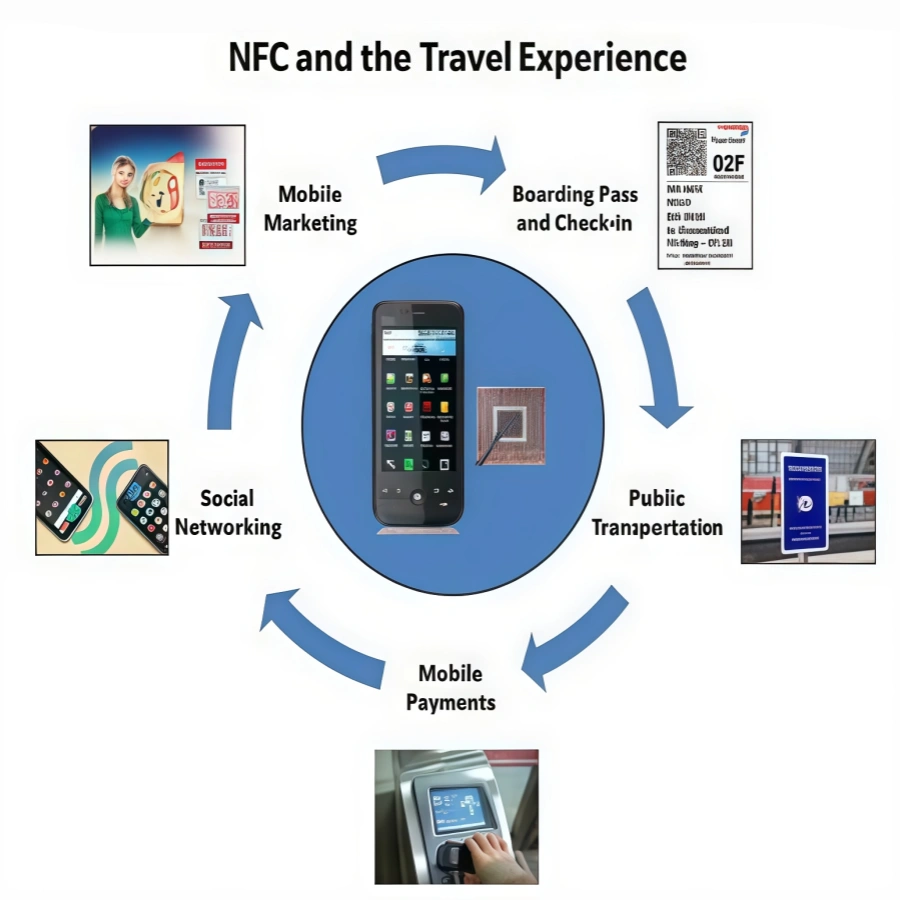
Near Field Communication, commonly known as NFC, is a short-range wireless communication technology that enables secure and convenient data exchange between NFC-enabled devices. These devices include NFC smartphones, NFC tablets, NFC reader writers, and NFC tags. With a simple tap or close proximity, NFC allows users to make payments, share data, access digital content, and authenticate identity—all without cables, pairing, or manual configuration.
NFC has become an essential technology in modern digital life. From contactless payments and public transportation to smart posters and access control, NFC quietly powers many of the seamless interactions people now take for granted.
This article provides a comprehensive explanation of what NFC is, how it works, what NFC tags are, the different NFC tag types, and how NFC technology solves real-world problems across industries.
What Does NFC Mean?
NFC is mean “Near Field Communication” , it enables short range communication between NFC enable device( NFC phone,NFC tablet, NFC reader writer) and NFC tags. NFC stands for “Near Field Communication.”
It is a wireless communication technology that operates over a very short distance—typically less than 10 centimeters.
NFC enables communication between:
-
Two NFC-enabled devices (such as smartphones)
-
An NFC-enabled device and an NFC tag
-
An NFC reader and a passive NFC object
Unlike Wi-Fi or Bluetooth, NFC does not aim for long-range connectivity. Instead, it focuses on fast, intentional, and secure interactions that occur only when devices are extremely close to each other.
In simple terms, NFC means:
-
Easy connections
-
Quick transactions
-
Simple and secure data sharing
How NFC Technology Works
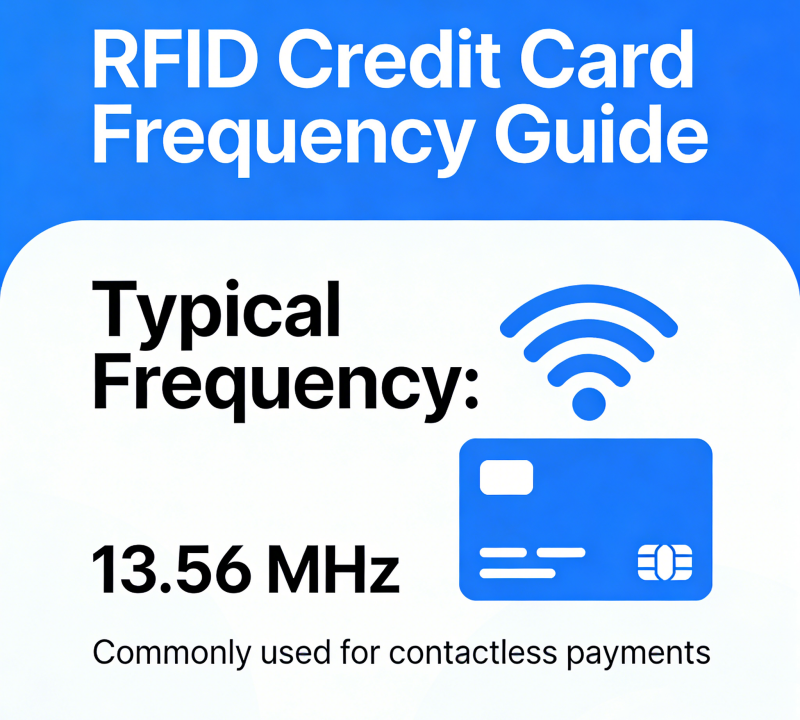
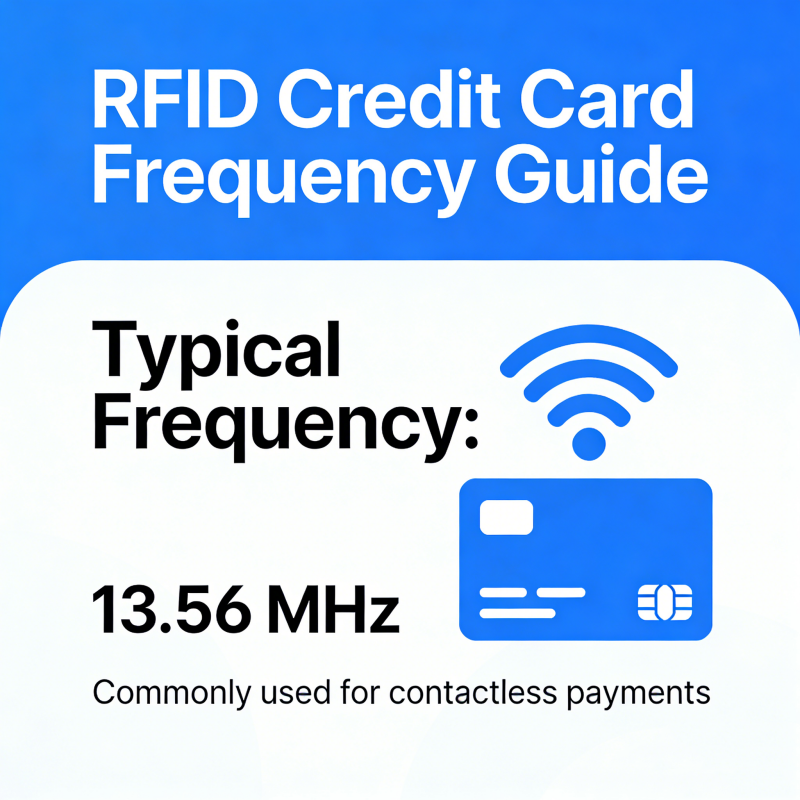
NFC operates at a standard frequency of 13.56 MHz and is based on RFID (Radio Frequency Identification) technology.
There are two main operating modes in NFC communication:
1. Active Mode
Both devices generate radio frequency fields and exchange data. This is common when two smartphones share information such as contacts or photos.
2. Passive Mode
One device (such as an NFC phone or reader) generates the RF field, while the other device (the NFC tag) uses that energy to respond. NFC tags do not require batteries and are powered by the electromagnetic field generated by the reader.
This passive operation is one of NFC’s most important advantages: NFC tags never need charging or maintenance.
NFC vs Bluetooth and Other Wireless Technologies
NFC is often compared to Bluetooth, but their purposes are very different.
Bluetooth is designed for:
-
Medium-range communication
-
Continuous data transfer
-
Device pairing and configuration
NFC is designed for:
-
Extremely short-range communication
-
Instant connection
-
High security through proximity
In practice, NFC often complements Bluetooth. For example, NFC can be used to quickly pair two Bluetooth devices, eliminating the need for manual pairing steps.
What Are NFC Tags?
An NFC tag is the core component of any contactless NFC system.
NFC tags are small, inexpensive, and portable. Each tag consists of:
-
A tiny NFC chip
-
An antenna
-
A substrate (paper, plastic, metal, silicone, etc.)
NFC tags operate at 13.56 MHz and are usually embedded in:
-
Stickers and labels
-
Cards
-
Wristbands
-
Key fobs
-
Rings
-
Metal tags
-
Posters or product packaging
NFC tags store data such as:
-
Website URLs
-
Product IDs
-
Business card information
-
Authentication credentials
-
Access permissions
When an NFC-enabled device comes close to the tag, the stored data is transmitted instantly.
Why NFC Tags Do Not Need Batteries
One of the most clever aspects of NFC technology is that NFC tags are passive devices.
They generate all the power they need from the electromagnetic field created by the NFC reader or smartphone. This means:
-
No battery required
-
No recharging
-
Extremely long lifespan
-
Minimal maintenance cost
This makes NFC tags ideal for large-scale deployment in retail, transportation, marketing, and security systems.
What Problems Does NFC Solve?
NFC technology addresses many common challenges in digital and physical interactions:
1. Complex Connections
Traditional wireless connections require pairing, passwords, or setup. NFC eliminates this complexity with a single tap.
2. Slow Transactions
NFC enables instant data transfer and contactless payment, reducing transaction time dramatically.
3. Security Risks
Because NFC works only at very short distances, it minimizes unauthorized interception and accidental activation.
4. Manual Data Entry
NFC automates data sharing, reducing errors and improving efficiency.
5. Power Dependency
NFC tags work without batteries, making them reliable and maintenance-free.
Common Applications of NFC Technology
NFC is widely adopted across multiple industries:
-
Contactless payments (mobile wallets, bank cards)
-
Public transportation ticketing
-
Access control systems
-
Smart posters and advertising
-
Product authentication and anti-counterfeiting
-
Digital business cards
-
Event ticketing
-
Smart packaging
-
Healthcare device identification
-
IoT device pairing
The simplicity of NFC has accelerated adoption in both consumer and enterprise environments.
What Is NFC Tag Memory and Why It Matters?
When choosing an NFC tag, memory capacity is one of the most important factors.
Each NFC chip has:
-
A unique ID (UID) that cannot be changed
-
A portion of rewritable memory for user data
You can store:
-
URLs
-
Text
-
Commands
-
Encrypted credentials
-
NDEF (NFC Data Exchange Format) records
The more complex the application, the more memory is required.
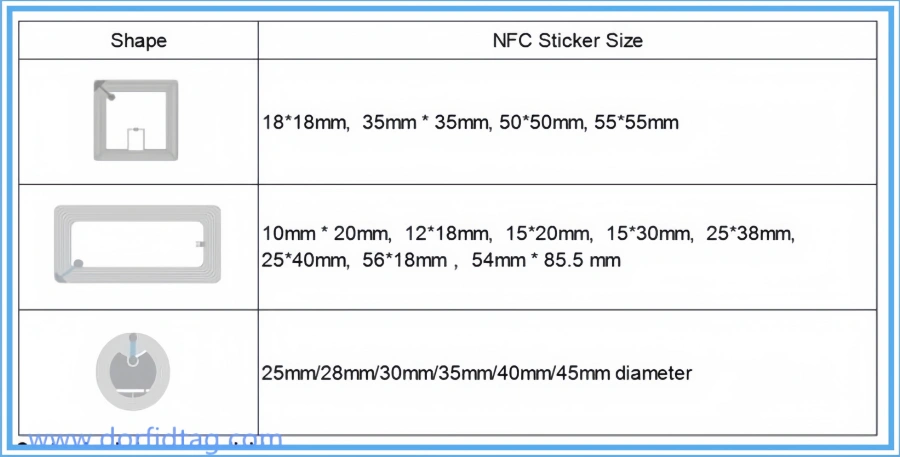
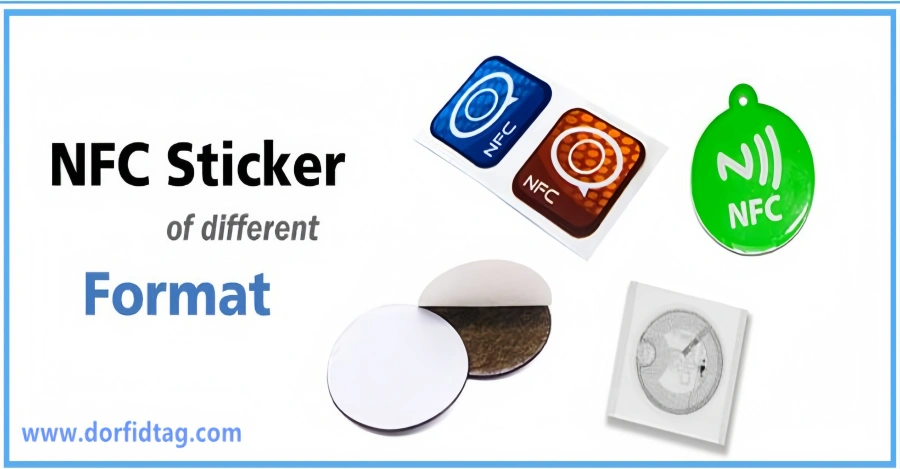
NFC Inlay, NFC Label, and NFC Tag Forms
Based on different NFC applications, manufacturers design NFC tags in multiple formats:
-
NFC inlay – the chip and antenna without outer packaging
-
NFC paper label – adhesive sticker with NFC inlay
-
NFC card – PVC or PET card format
-
NFC sticker – flexible, low-cost option
-
NFC metal tag – works on metal surfaces
-
NFC wristband – wearable NFC solution
-
NFC ring – wearable smart accessory
-
NFC key fob – durable access control token
All of these formats share the same NFC core technology but differ in durability, environment resistance, and use case.
NFC Tag Types Explained
NFC standards define four main NFC tag types, each designed for different applications.
NFC Tag Type 1
Type 1 NFC tags are the simplest and most basic NFC tags.
Characteristics:
-
Low cost
-
Slower data transmission
-
Expandable memory
-
Data collision protection
Common example:
- Topaz 512 NFC TAG
Typical applications:
-
One-time provisioning
-
Read-only applications
-
Business cards
-
Bluetooth device pairing
-
Identifying a specific tag among multiple tags
Type 1 tags are often used where cost is more important than speed.
NFC Tag Type 2
Type 2 NFC tags are among the most widely used in commercial applications.
Characteristics:
-
Data collision protection
-
Rewritable or read-only options
-
Starting memory around 48 bytes
-
Same communication speed as Type 1
-
Highly reliable and affordable
Common chips include:
-
NXP MIFARE Ultralight
-
MIFARE Ultralight C
-
NTAG213
-
NTAG215
-
NTAG216
Typical applications:
-
Low-value transactions
-
Event tickets
-
Day transit passes
-
URL redirects
-
Smart posters
-
Product information sharing
Type 2 tags offer an excellent balance between cost, performance, and compatibility.
NFC Tag Type 3
Type 3 NFC tags provide higher performance and larger memory.
Characteristics:
-
Faster communication speed
-
Larger memory capacity
-
Data collision protection
-
Based on FeliCa technology
Typical applications:
-
Transit ticketing systems
-
E-money
-
Electronic ID
-
Membership cards
-
Healthcare devices
-
Home electronics
-
Secure access systems
Type 3 tags are commonly used in transportation systems, especially in Asia.
NFC Tag Type 4
Type 4 NFC tags represent the most advanced category.
Characteristics:
-
Supports NFC-A or NFC-B
-
Large memory (up to 32 KB)
-
High communication speed
-
Advanced security features
-
ISO 7816 support
-
True authentication capability
Common example:
-
NXP MIFARE DESFire EV1 NFC Tag
Typical applications:
-
Secure transit ticketing
-
E-government systems
-
High-security access control
-
Identity verification
-
Encrypted payment systems
Type 4 tags are more expensive but offer the highest level of security and flexibility.
NFC Security and Authentication
Security is a major reason NFC is trusted worldwide.
NFC security features include:
-
Extremely short communication range
-
Unique chip identifiers
-
Encryption and authentication (Type 4)
-
Secure element integration in devices
For applications such as payments, transportation, and identity verification, NFC provides both convenience and strong protection.
NFC in Business and Industry
Beyond consumer use, NFC is widely used in B2B environments:
-
Asset tracking
-
Equipment identification
-
Industrial automation
-
Smart manufacturing
-
Logistics verification
-
Access control for facilities
NFC enables digital transformation without complex infrastructure changes.
NFC and the Future of Contactless Technology
As smartphones, IoT devices, and smart infrastructure continue to grow, NFC will remain a foundational technology.
Future trends include:
-
Smart packaging with NFC
-
Digital product passports
-
Interactive retail experiences
-
Enhanced authentication
-
Integration with blockchain and IoT platforms
NFC’s simplicity ensures its relevance even as technology evolves.
Conclusion: What Is NFC?
NFC is a short-range wireless communication technology that enables simple, secure, and instant interactions between devices and NFC tags. Operating at 13.56 MHz, NFC supports contactless payments, data sharing, access control, and smart connectivity—without batteries, pairing, or complexity.
With its wide range of NFC tag types, formats, and applications, NFC has become a cornerstone of modern digital interaction. Easy to use, safe by design, and highly versatile, NFC turns a simple tap into a powerful connection.